About Taylor Wimpey
Taylor Wimpey was formed by the merger of George Wimpey and Taylor Woodrow in 2007. With a history dating back to the 19th Century, Taylor Wimpey is one of the largest homebuilders in the UK and aims to be the nation’s leading residential developer for creating value and delivering quality. Taylor Wimpey is passionate about working with local people, businesses, local authorities and its customers to build aspirational homes.
Find you more about Taylor Wimpey at www.taylorwimpey.co.uk.
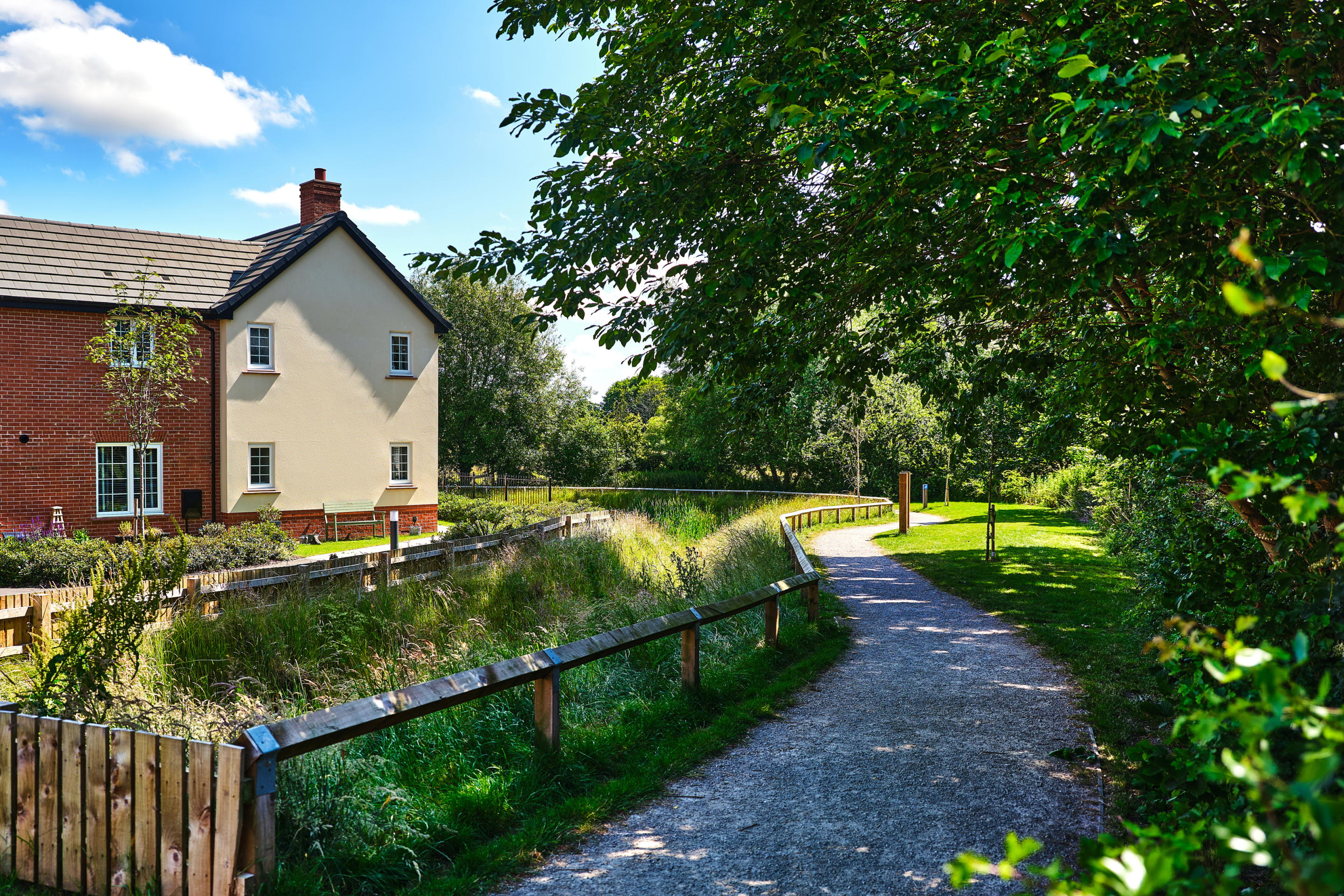
The site
The circa 6.25 hectare (ha) site for the proposed development is located on the western side of Alcester Road. To the north of the site lies Brick Kiln Lane, with existing residential properties and a group of office buildings to the northeast. The western boundary of the site is formed by the A435 Hollywood bypass.
To the south of the site are two small paddocks and a number of residential properties, with the A435/Alcester Road/Station Road/Middle Lane roundabout.
The site is in a highly sustainable location, being immediately adjacent to the existing settlement boundary of Wythall. There are parades of shops at Drakes Cross around 900m north of the site, with more shops located approximately 1.1 km to the east on Station Road. Meadow Green Primary School is approximately 400m to the east of the site, within an easy walking distance. Woodrush High School is approximately 1.5 km to the north of the site. There are existing bus stops located close to the site along Alcester Road, served by the 150, 302 and 502 bus services. Wythall Railway Station is located an approximately 1.4 km walk to the east of the site.
The site is predominantly in agricultural use currently, except for an area of mature trees and hedgerows between individual field parcels. It is intended that these higher value habitats would be retained as much as possible.
There are two ponds located within the northern portion of the site, with associated landscape vegetation. Again, there would be retained as part of the open space proposals.
As with most potential development sites in Bromsgrove District, the site is currently within the Green Belt, however in light of its sustainable location, it is being promoted for landscape-led development through the emerging Bromsgrove Local Plan.
Please note that the site area has been amended slightly for the outline planning submission.
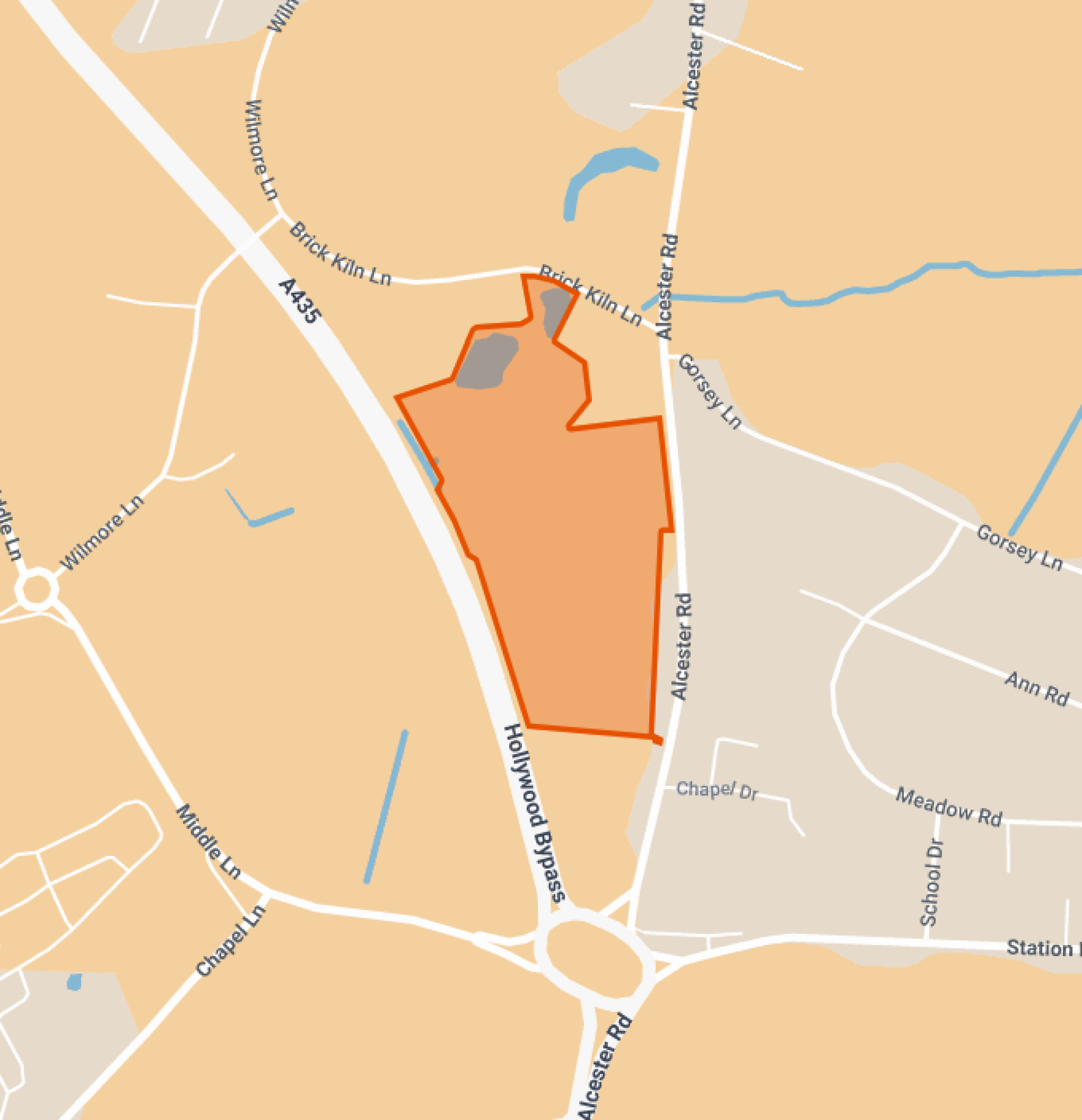
Site location plan - click to enlarge
Planning policy context
The proposed development site occupies a highly sustainable location on the edge of the settlement boundary of Wythall.
Bromsgrove Local Plan
Local planning authorities are required by the Government to update their Local Plans every five years. The current development plan for Bromsgrove District was adopted in 2017 and has now fallen significantly out of date. Bromsgrove District Council has acknowledged it needs to prepare a new local plan, the preparation of which is under way.
The site of the proposed development has been promoted through the emerging new Local Plan as a sustainable opportunity to contribute to housing requirements in Wythall. While it has not yet been identified as a preferred option for housing delivery in the emerging plan, it appears that this is largely due to perceived noise constraints from the Hollywood Bypass.
The site is presented as an alternative option in the ongoing Regulation 18 consultation on the emerging Local plan and Taylor Wimpey continues to actively promote this site for inclusion in the Local Plan as a more logical and sustainable location to contribute to local housing need than some other sites being proposed. Alongside this, an outline planning application will be able to demonstrate that the noise constraints from the A435 can be overcome.
Increased housing targets for Bromsgrove District
Changes to the National Planning Policy Framework (NPPF) announced by the Government in late 2024 has significantly increased the number of homes Bromsgrove District will need to deliver, from 386 to 713 homes per year.
Grey belt
A new grey belt policy was also introduced in the NPPF. This allows development in some areas of Green Belt, provided certain criteria are met. Grey belt includes land that ‘does not strongly contribute’ to Green Belt purposes which are set out in the NPPF. While the site at Alcester Road is located within the Green Belt (as are most sites being proposed through the Local Plan), it occupies a highly sustainable location and meets the criteria for grey belt land.
Five-year housing land supply
The NPPF also requires that local authorities are able to demonstrate a five-year housing land supply. This is the amount of land that the Council must identify to ensure there are sufficient deliverable sites for residential development over the next five years. Bromsgrove District Council currently cannot demonstrate a five-year supply of deliverable housing land. In light of this, an outline planning application alongside the ongoing Local Plan process will help to contribute to meeting this shortfall at an early stage in the plan process, bolstering the council’s five-year housing land supply position.
Local Plans are the key documents through which local planning authorities set out a vision and framework for the future development of the area, engaging with their communities in doing so. Local Plans address needs and opportunities in relation to housing, the local economy, community facilities and infrastructure. The Local Plan provides a degree of certainty for communities, businesses and investors, and a framework for guiding decisions on individual planning applications.
Local planning authorities, such as Bromsgrove District Council, have a statutory responsibility to maintain an up-to-date Local Plan, and national policy indicates that Local Plans should be regularly reviewed, with the expectation this is done at least every five years.
Site constraints and opportunities
How local features and landscape have shaped the proposed illustrative layout of the new neighbourhood.
Landscape, drainage features, topography and local context of the site have been considered while preparing the concept layout for the proposed development.
The following plan shows some of the features and constraints that have informed the emerging outline proposals. Key features include the ponds and areas of surface water flooding in the northern parcel of the site, as well as the A435 Hollywood Bypass presenting a potential noise constraint to the west.
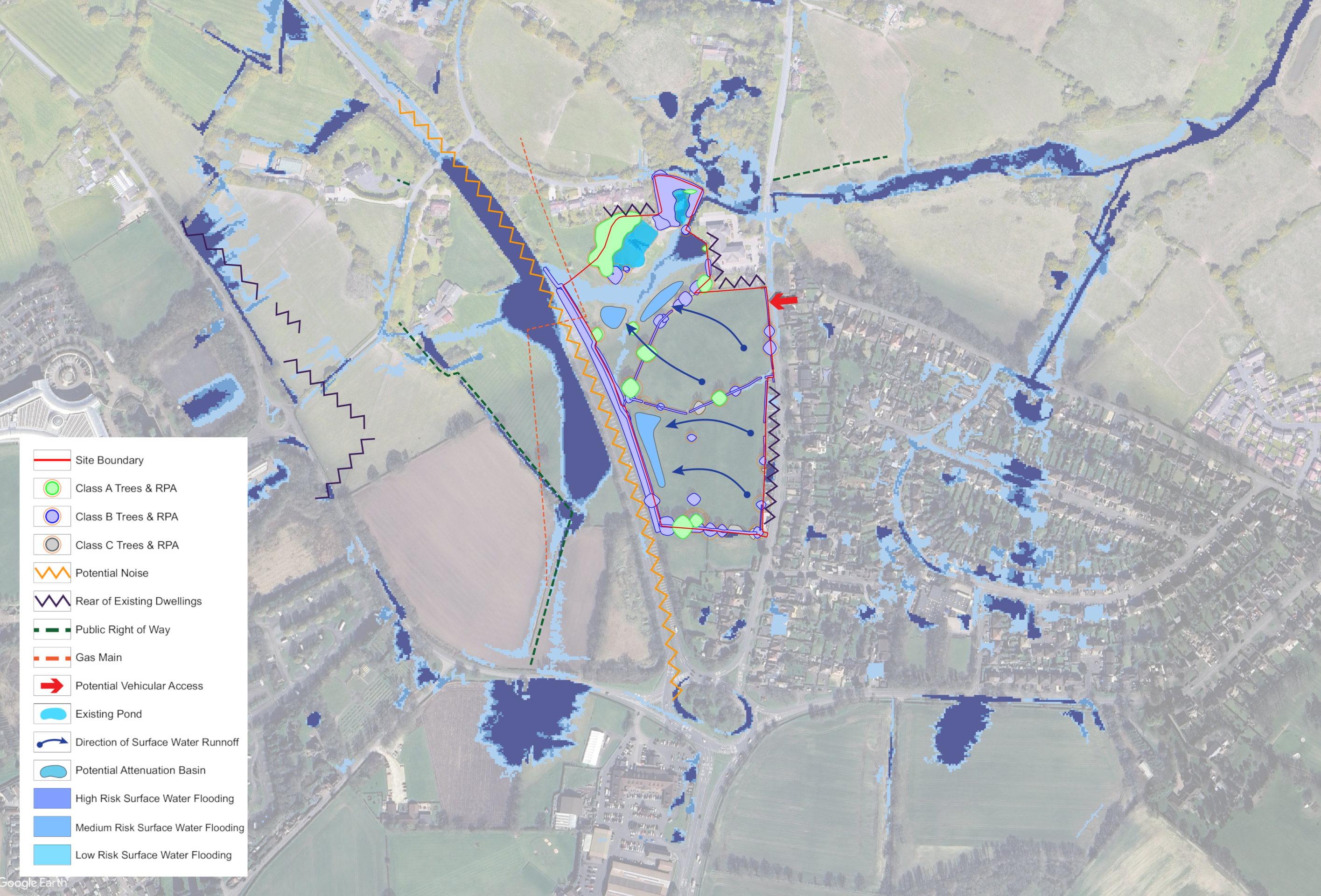
This plan shows an early analysis of some of the site features that have influenced the evolving masterplan for the site - click to enlarge
The outline vision for new homes and extensive green public open space
Taylor Wimpey is preparing an outline planning application for a sustainable new neighbourhood at the site west of Alcester Road, which would deliver the following:
- Up to 110 high-quality, energy efficient homes at a highly sustainable location close to local services.
- Up to 50% of the new homes would be provided as affordable housing, including shared ownership homes which would appeal to first time buyers.
- There is also potential to provide accessible homes for local people seeking to downsize.
- Homes would be built to the Future Homes Standard in a gas-free development with all homes equipped with air source heat pumps, PV (solar) panels, EV charging points and uprated insulation.
- The layout is landscape-led, shaped by existing field patterns, with the retention of higher value habitats such as hedgerows and mature trees, and the provision of a large area of new high-quality public open spaces on land currently inaccessible to the community.
- The northern part of the site contains attractive pools and mature trees. Due to drainage constraints, it is proposed that this part of the site would remain undeveloped, with landscaped public open space provided alongside biodiversity enhancements and a new public walking route. This walk will connect to paths running through the site with new pedestrian access points on Alcester Road.
- There is the potential for local areas of play to be provided within the new landscaped open spaces.
- Vehicular access to the site would be taken via a new single access point from Alcester Road.
- A sustainable drainage strategy designed to reduce surface water runoff. Surface water run-off would be collected by two attenuation basins on the site. These new basins – or ponds - would hold surface water within the site, alleviating the current situation where surface water runs off the site in an uncontrolled manner. In addition, these attenuation basins will provide opportunity for biodiversity enhancements through the provision of additional wetland habitat with associated planting.
- It is expected that the development could generate a package of investment to support local infrastructure.
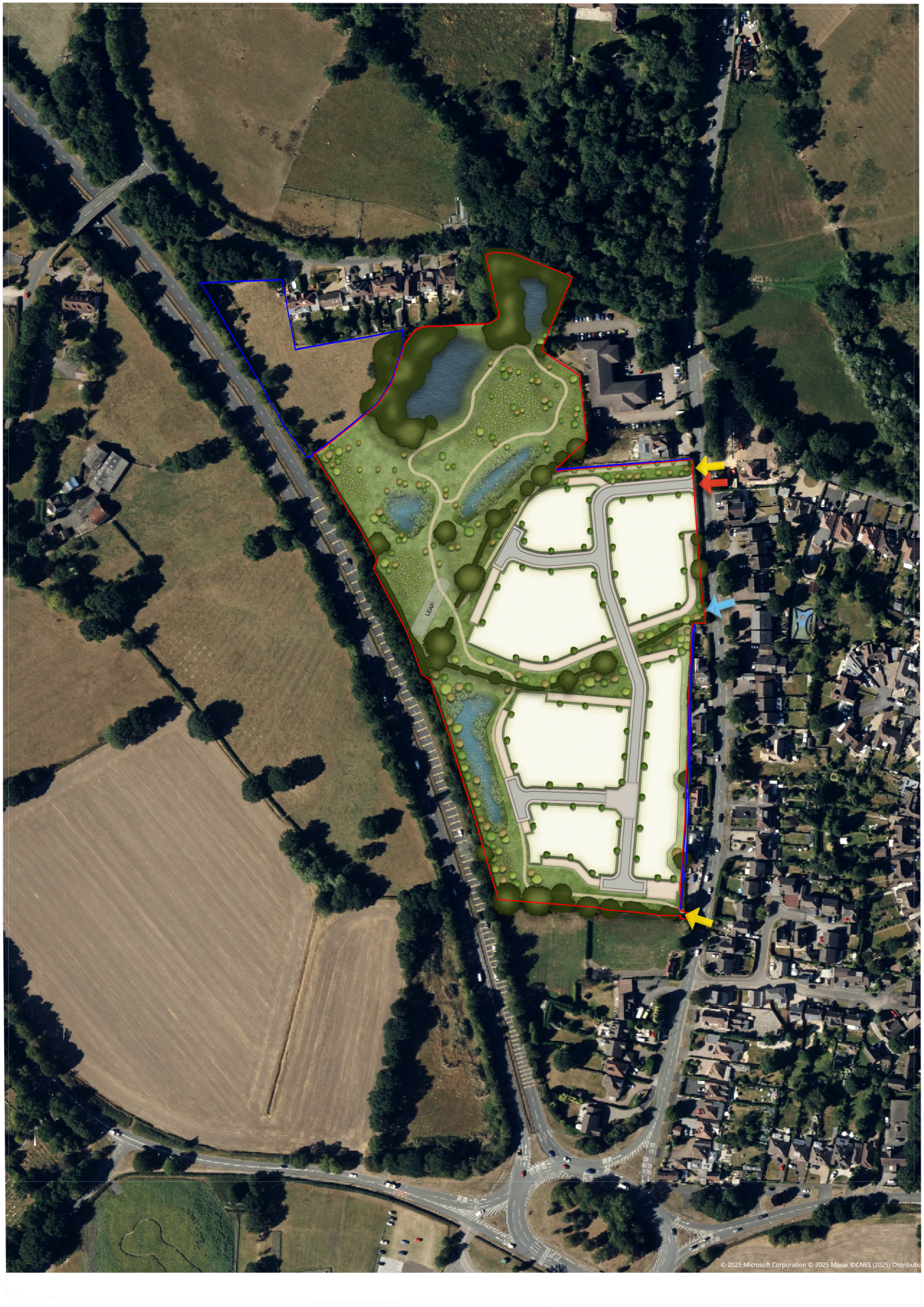
Illustrative framework plan of the new neighbourhood. Click to open interactive map
New homes
House types
The planning application is an outline planning application. This type of planning application sets out the broad principles of development, such as maximum number of homes, an illustrative layout and site access arrangements. Should outline planning permission be received, finer details such as specific house types, detailed layout, architecture etc would be subject to a subsequent further planning application (called a reserved matters planning application).
While house types would be determined at the reserved matters planning stage, we have provided imagery of existing Taylor Wimpey developments on this website to provide an idea of the types of high-quality homes we build.
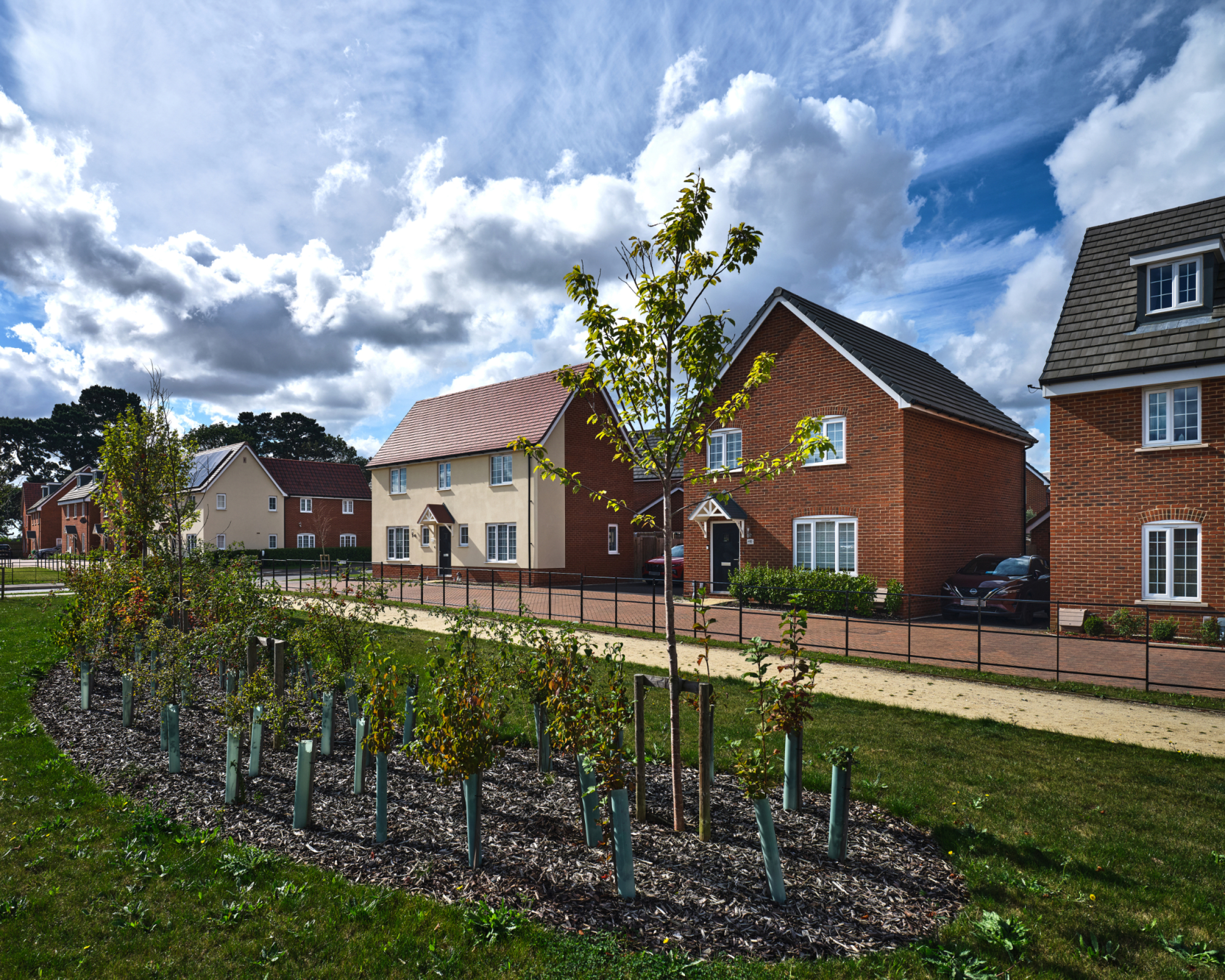
Examples of existing Taylor Wimpey developments. Click to open image gallery
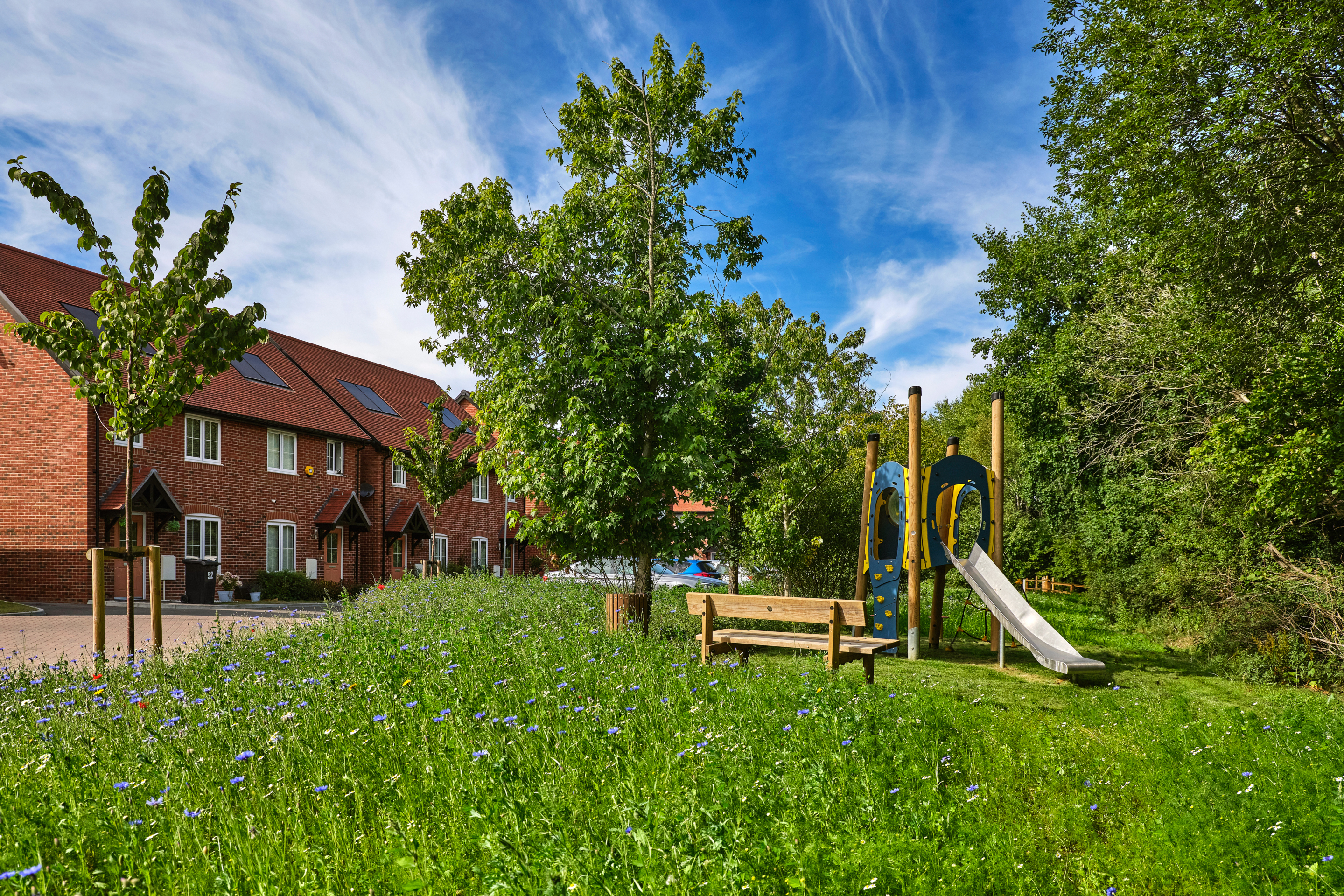
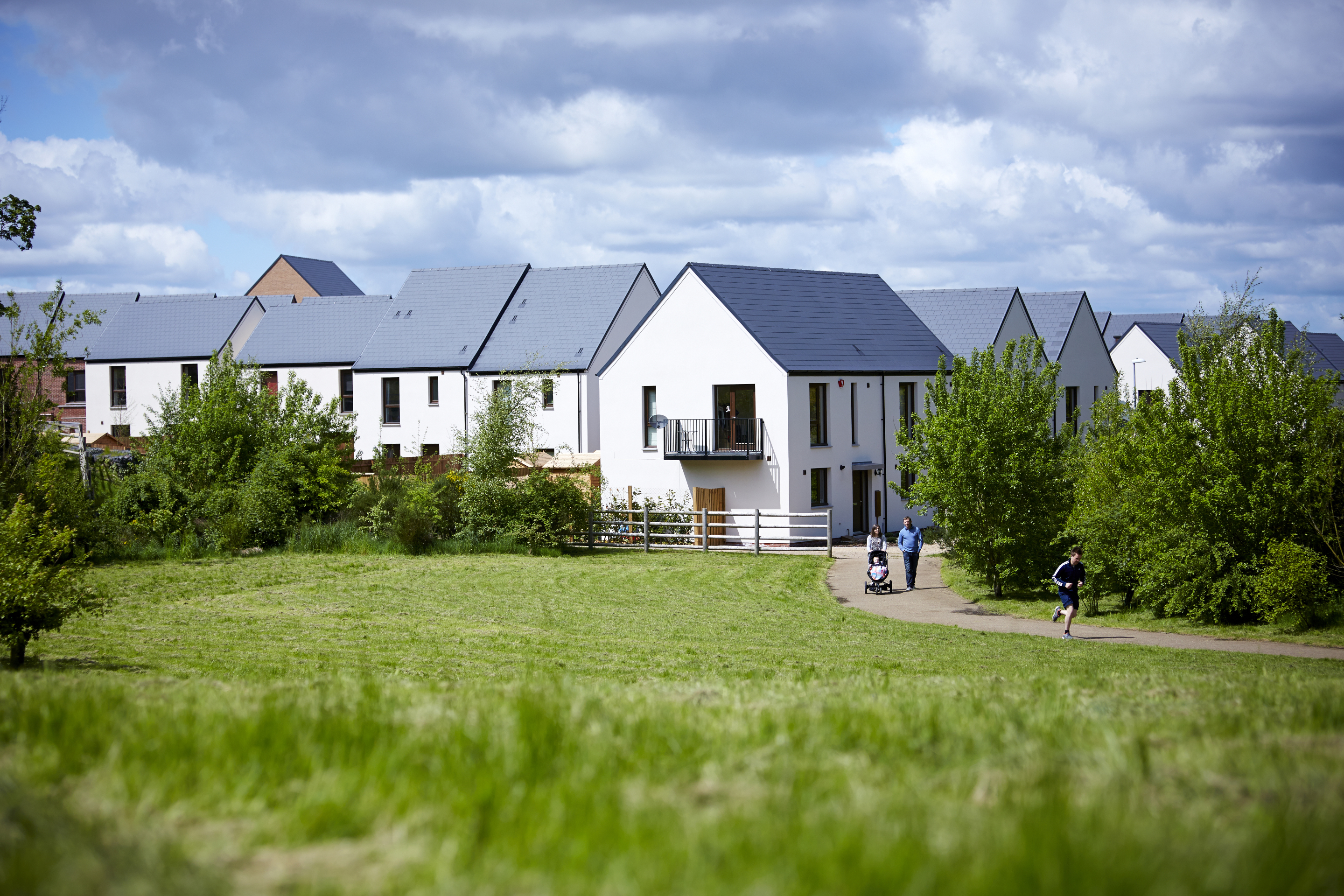
50% affordable housing
In line with the “golden rules” set out by government for the development of sites that were previously in the Green Belt, it is expected that up to 50% of the new homes at Alcester Road will be provided as affordable housing. While the precise mix of affordable housing will be determined in liaison with the Housing Team at Bromsgrove District Council, it is anticipated that this would include a mix of homes for social rent and shared ownership homes which would appeal to first time buyers.
Sustainable homes
At Taylor Wimpey, our purpose is to build great homes and create thriving communities. We are embedding sustainability across our business, delivering high-quality homes and places where customers can enjoy a good quality of life and adopt a more sustainable lifestyle.
Our new neighbourhood in Wythall will provide energy-efficient homes built to the Future Homes Standard. This will see all homes equipped with air source heat pumps, PV (solar) panels, EV charging infrastructure and very high standards of insulation.
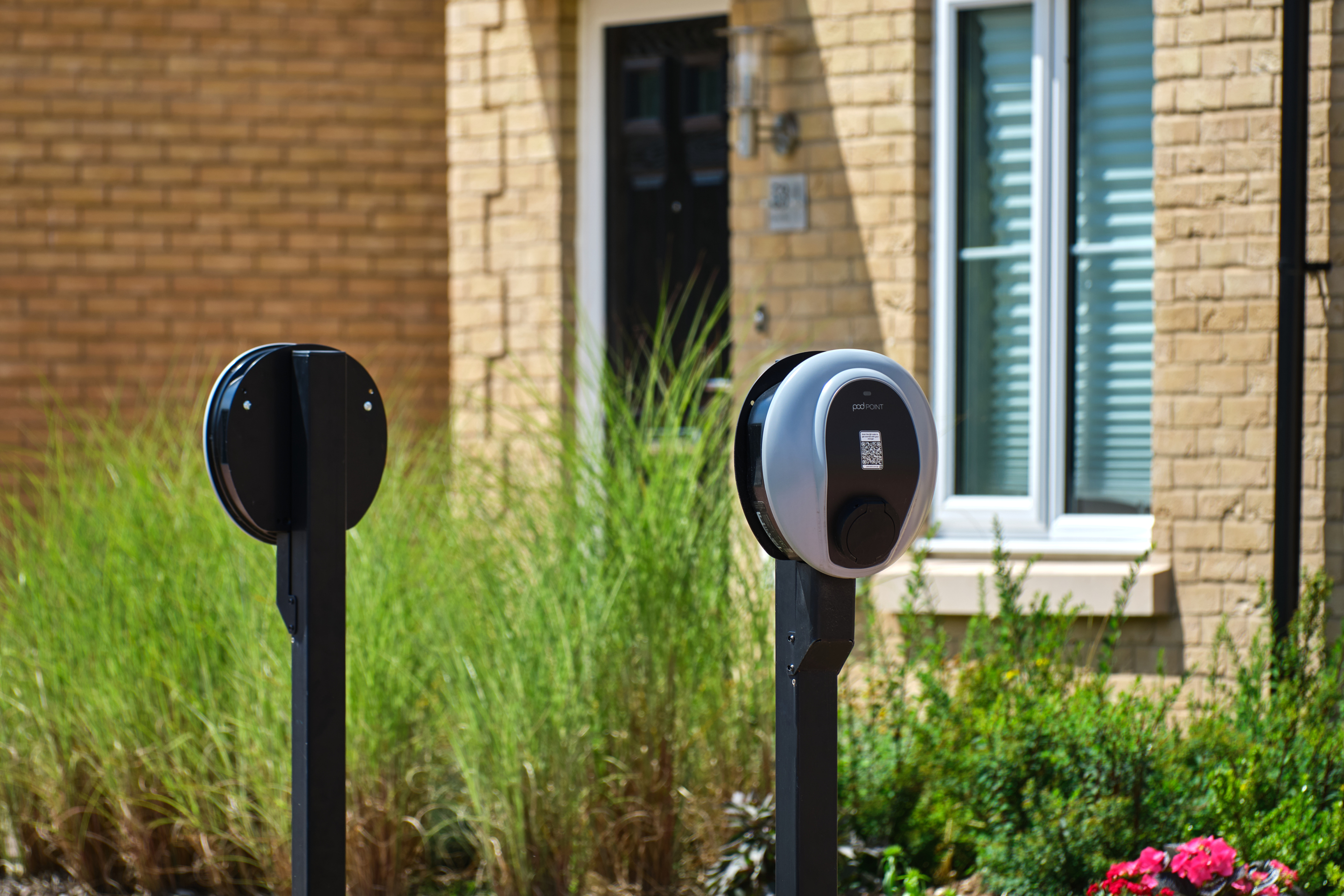
The new homes for Wythall will be built to be low carbon.
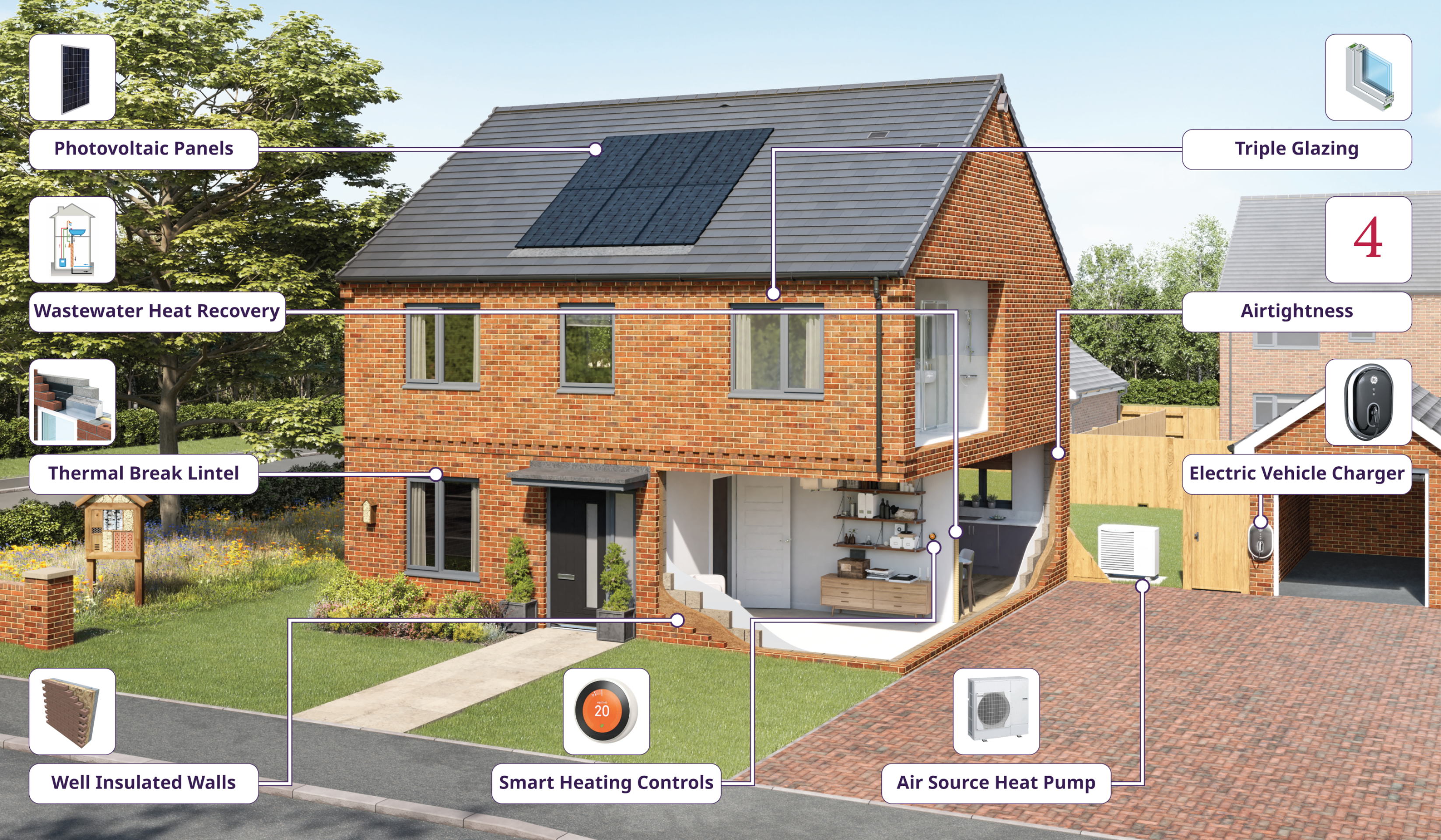
Sustainability measures within a typical Taylor Wimpey home when built to Future Homes Standard
Investing in wider community infrastructure
A key consideration with a planning proposal such as this is to ensure that local services receive the investment they need to accommodate housing growth in the local area.
It is expected that the development could generate investment to support key local infrastructure, and any investments made will be informed by consultation carried out by Bromsgrove District Council with statutory bodies such as the local NHS Integrated Care Board and the local education authority. For example, it may be determined appropriate that the development would contribute to the provision of a new school as part of one of the other more strategic-scale sites emerging through the new Local Plan.
Any investment will be secured via a legally-binding agreement (called a Section 106 agreement) between Taylor Wimpey and the Council.

The development has the potential to generate funding for key infrastructure such as healthcare and education, to be determined in consultation with the NHS, local education authority, the local highways authority and other statutory consultees.
Green infrastructure
The landscape-led approach to development has resulted in a concept layout providing extensive green open spaces, delivering a neighbourhood that is truly integrated with its urban and rural context.
Green infrastructure across the site will include additional landscape planting, as well as the creation of a large public space towards the north of the site incorporating the two existing ponds and adjacent woodlands, alongside the preservation of existing hedgerows and mature trees.
New walking routes will be set within the extensive new public open space which will also provide local areas of play and biodiversity areas. The new walking route will provide pedestrian links through the site with new pedestrian access points on Alcester Road.
The provision of these new open spaces will offer aesthetically pleasing and accessible places for leisure and recreation on land that has previously been inaccessible to the public, whilst reinforcing the green and distinctive character of the proposed development as an enhancement to the landscape.
Outdoor recreation at existing Taylor Wimpey developments
Ecology and landscape
The site comprises farmland which is of relatively low biodiversity value, with higher value habitat areas generally consisting of existing ponds, wooded areas and hedgerows which will be retained as much as possible and enhanced with additional new planting and habitat creation as part of the proposals.
From the outset, the development proposals have been landscape-led, being shaped as much as possible by those existing landscape features such as hedgerows, trees and field patterns. Existing boundary vegetation and additional planting can help provide a strong landscape framework at the edges of the site to soften the visual effect of the new development.
There is also the opportunity to create ecological habitat enhancement through the creation of new attenuation basins across the site. These attenuation basins will collect surface water runoff from the site and will be planted with suitable vegetation to encourage wildlife.
The site will deliver a minimum of 10% biodiversity net gain in accordance with the requirements of the Environment Act, either on site or as a combination of on-site and off-site credits.
A Landscape and Visual Assessment will form part of the planning application. This confirms that alongside retained and new landscaping, residential development can be accommodated on the site. Furthermore, Bromsgrove District Council’s Landscape Sensitivity Assessment considers that the site offers an opportunity for housing and identifies that the site lies within a Medium Area of Sensitivity to housing (the lowest sensitivity ranking). In contrast, other sites being considered through the new Local Plan are defined as High / Medium Sensitivity.
Much of the site area will be retained as public open space with significant new planting, delivering biodiversity net gain in excess of policy requirements.
Building with Nature
Taylor Wimpey is proud to be a member of the Homes for Nature programme. This will see the installation of nesting bricks/boxes in every new home and hedgehog highways between gardens.

Access and highways
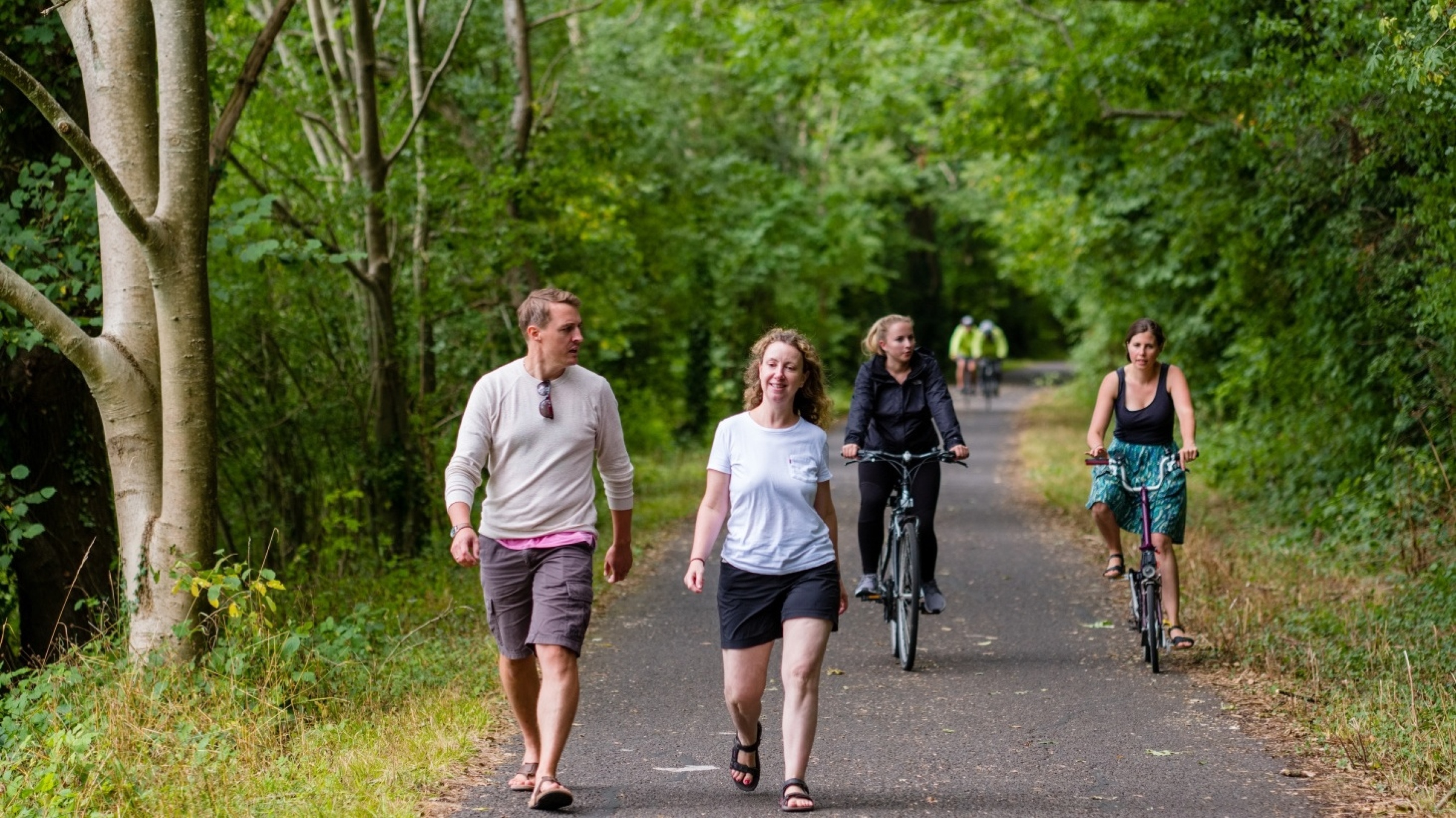
Primary vehicular, pedestrian and cycle access into the site will be taken from Alcester Road at a point to the south of the existing office buildings at Drake’s Court.. To increase connectivity, further pedestrian and cycle access will be created further south along the site’s eastern boundary on Alcester Road.
There is also potential to create a footpath link through the extensive public open space within the site
In terms of wider connectivity, the site for the proposed new neighbourhood is in a highly sustainable location, being immediately adjacent to the existing settlement boundary of Wythall. There are parades of shops at Drakes Cross around 900m north of the site, with more shops located approximately 1.1 km to the east on Station Road. Meadow Green Primary School is approximately 400m to the east of the site, within an easy walking distance. Woodrush High School is approximately 1.5 km to the north of the site. There are existing bus stops located close to the site along Alcester Road, served by the 150, 302 and 502 bus services. Wythall Railway Station is located an approximately 1.4 km walk to the east of the site.
Drainage
The site is located entirely within Flood Zone 1 of the Environment Agency’s flood map for planning, which is land considered to be at a low probability of flooding from rivers.
The Environment Agency’s Risk of Flooding from Surface Water mapping shows a surface water flow route within the northern parcel of the site, which follows the low-lying topography. There are also watercourses and ditches located within this northern parcel which feed the existing ponds and ultimately flow towards Brick Kiln Lane and Alcester Road. For this reason, it is proposed that there will be no development within this area, with the provision of high-quality public open space and biodiversity areas.
Surface water runoff generated by the development would be collected by two new attenuation basins on the site. These new basins – or ponds - would hold surface water within the site, alleviating the current situation where surface water runs off the site in an uncontrolled manner. The drainage strategy for the site will be designed to reduce surface water runoff.
This Sustainable Drainage Systems (SuDS) for the site will be designed to accommodate the 1 in 100-year storm event with an uplift to account for future climate change.
Furthermore, the attenuation basins will provide opportunity for biodiversity enhancements through the provision of additional wetland habitat with associated planting.
A Flood Risk Assessment will be produced in accordance with national policy and guidance to assess all sources of flood risk and to demonstrate that the proposed development will have no detrimental effect on flood risk in the wider catchment.
Heritage and archaeology
There are no listed buildings, Scheduled Monuments, Registered Parks and Gardens or Registered Battlefields within the site. Furthermore, no Listed Buildings or Conservation Areas are located within the immediate vicinity of the site. The nearby Wythwood Farm is a listed building, but specialist advice has confirmed the site is of limited importance to its setting.
There are also no designated or known archaeological assets on the site.
Noise and other technical studies
It is envisaged that some form of noise mitigation may be required for the site along its western boundary. This could be in the form of an acoustic barrier or landscape treatment. The detailed layout of the site will be based on further modelling work and the design will take account of noise mitigation measures and demonstrate that existing noise constraints can be overcome to facilitate a sustainable new neighbourhood to contribute to local housing need.
In preparing an outline planning application for the proposed development, a full suite of technical studies is being completed, including the technical areas considered above, as well as areas such as utilities, air quality, contamination etc. The results of these studies will be reviewed and considered as plans progress and will be submitted along with the planning application. However, it is not anticipated that there will be any significant technical constraints to delivering a high quality, sustainable new neighbourhood at this site.
Outline planning application
Following community consultation during the autumn of 2025, Taylor Wimpey has now submitted an outline planning application to Bromsgrove District Council.
The outline planning application is the first formal step in the planning process, setting out broad overarching principles of development and will involve statutory consultation carried out by Bromsgrove District Council with a wide range of organisations. If approved, a further planning application will then be required to establish the finer details of the proposed neighbourhood, including architecture, layout and landscaping.
The planning application documentation is available to view on Bromsgrove District Council’s planning portal here, where the Council’s statutory consultation on the submitted plans can also be accessed (please quote reference 25/01503/OUT).